
Quick answer: Contract redlining software helps teams compare draft versions, mark changes, apply legal playbooks, explain negotiation positions, and maintain a record of what changed. AI redlining adds clause analysis, suggested revisions, fallback language, and escalation rules, but human legal review should still govern material decisions.
For teams that need redlining inside a full contract lifecycle, Leah's Agentic CLM connects redline review with intake, approvals, obligations, and repository data. Related contracting workflows can also run through skill-based orchestration when work spans legal, procurement, and finance.
What Is Contract Redlining Software?
Contract redlining software is a review tool for showing proposed edits, comparing versions, adding comments, and moving contract language toward an approved position. In modern legal operations, the best redlining tools also help teams apply approved clause playbooks, identify risk, and keep negotiation history connected to the final agreement.
| Feature | What it does | Why legal teams use it |
|---|---|---|
| Version comparison | Shows text added, removed, or changed between contract drafts. | Prevents missed edits and supports cleaner negotiation records. |
| Clause playbook checks | Compares language against preferred, acceptable, and fallback positions. | Helps reviewers respond consistently without treating every clause as new. |
| AI suggested redlines | Proposes revisions and comments based on defined review rules. | Speeds first-pass review while preserving human oversight. |
| Approval routing | Sends exceptions to legal, finance, security, or business owners. | Keeps high-risk changes from being accepted informally. |
| Audit history | Records decisions, changes, reviewers, and timestamps. | Supports governance, reporting, and post-signature analysis. |
When AI Redlining Helps Most
AI redlining is most useful when a team reviews repeatable contract types at scale, such as NDAs, MSAs, order forms, DPAs, vendor agreements, and procurement terms. It is less useful when a matter is novel, highly strategic, or dependent on facts that sit outside the contract record.
Contract negotiations form the backbone of every business relationship. Whether you're dealing with a straightforward vendor agreement or navigating the complexities of a major acquisition, every contract requires careful review and revision. This process—commonly known as contract redlining—is essential for managing risk, protecting your organization's interests, and ensuring everyone understands their obligations.
The traditional contract playbook is no longer viable. While some legal teams cling to rigid templates and static review processes, the nature of contract negotiation has fundamentally shifted. Today's redlining isn't just about tracking changes in a document—it's about intelligent, context-aware analysis that adapts in real-time to the nuances of each deal.
Think about it: every contract tells a unique story, carries distinct risks, and requires tailored negotiation strategies. Yet most organizations are still working from dusty playbooks that treat every agreement like it's 2015 (or worse, 1985). These static documents can't respond to market changes, learn from past negotiations, or provide the dynamic intelligence modern legal teams desperately need.
Instead of mechanically comparing clauses against a fixed checklist, automated contract review and redlining can understand context, predict risks, suggest precedent-based alternatives, and even engage in conversational redlining that feels more like working with a senior colleague than wrestling with software.
We aren’t talking about replacing human judgment—instead, we’re on the track for amplifying our human ability to work and understand. When your redlining process can instantly surface relevant precedents, score risk in real-time, and adapt its recommendations based on your organization's evolving negotiation patterns, you're not just reviewing contracts faster. You're negotiating smarter, with intelligence that grows sharper with every deal.
The Current State of Contract Management: By the Numbers
The data paints a clear picture of where we stand today. According to recent industry research:
- Human contract review takes an average of 92 minutes
- Contract professionals spend up to two hours searching through a legal document for certain data points, terms or language
- 90% of professionals find contracts either difficult or downright impossible to understand
- Only 11 per cent of businesses believe that their contract processes are "very effective"
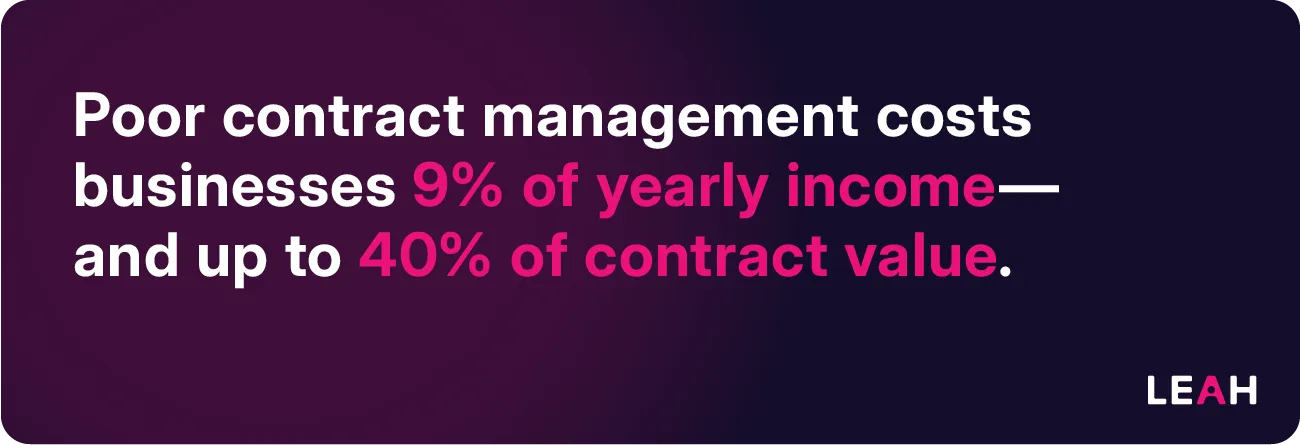
Even more concerning, poor contract management loses businesses 9% of their yearly income, while 40 per cent of a contract's value can be lost as a result of inefficient contract management processes.
What Exactly Is Contract Redlining?
Contract redlining is the process of marking up changes, additions, or deletions in a legal document during negotiations. When parties are working through an agreement, they propose modifications to the original draft, and redlining makes these changes visible so everyone can see exactly what's been altered from one version to the next.
This process matters for several crucial reasons:
Transparency and Communication: Everyone involved can clearly see and understand every proposed change. This prevents misunderstandings and disputes later.
Risk Management: By carefully tracking changes, legal teams can spot potential problems, unfavorable terms, or compliance issues before finalizing the agreement.
Negotiation Efficiency: Clear redlines help focus discussions on the substantive disagreements rather than hunting for hidden changes.
Understanding the Terminology: Redline vs. Blackline vs. Track Changes
These terms often get mixed up, but they refer to different concepts:
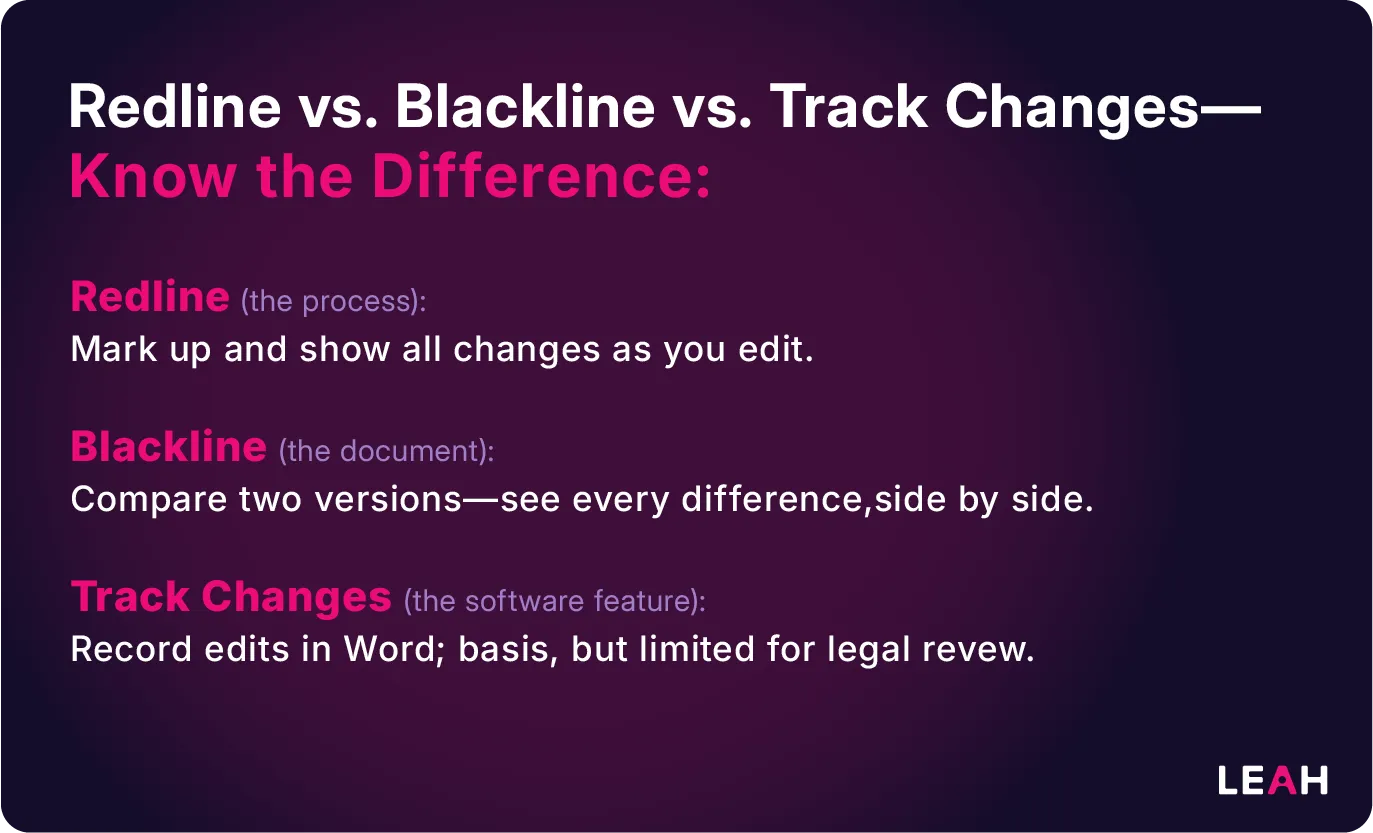
Redline (the process): This is the act of making and marking changes in a document. When people talk about a "redlined contract," they mean a version with visible markups showing what's been changed.
Blackline (the document): A blackline is a clean comparison document showing differences between two contract versions. Unlike an active redline where changes are being made, a blackline is a static report highlighting all changes between specific points in time.
Track Changes (the software feature): This is the specific function in programs like Microsoft Word that records and displays edits. While useful for basic document editing, Track Changes often falls short for complex legal contract review—especially when multiple people are involved or when you need sophisticated version control.
The Problems with Traditional Contract Redlining
While first-generation CLMs moved us beyond Microsoft Word's Track Changes and email attachments, they simply digitized the same rigid, manual processes without adding any real intelligence to the equation.
Traditional CLMs gave us repositories and workflows, but they're essentially glorified filing cabinets with approval chains. They can store your redlines and route documents, but they can't think. They can't learn. They can't adapt. Here's where they fall short:
Static Pattern Matching: Legacy CLMs rely on pre-programmed rules and templates. They can flag when a payment term exceeds 30 days, but they can't understand why that might be acceptable for a strategic partner versus a new vendor. There's no contextual intelligence—just binary yes/no checks against rigid criteria.
Manual Intelligence Burden: Without AI, all the intellectual heavy lifting still falls on your legal team. CLMs might organize the redlines, but lawyers still have to manually identify risks, craft alternative language, and remember precedents from past negotiations. The system is just a passive recorder, not an active participant.
Disconnected Data Silos: Traditional CLMs capture contract data but can't synthesize it meaningfully. They'll show you that 73% of your contracts have indemnification clauses, but they won't tell you which variations performed best in negotiations or predict which approach will work for your current deal.
Reactive, Not Predictive: Legacy systems wait for problems to happen. They can't anticipate negotiation friction points, suggest proactive compromises, or learn from patterns across thousands of contracts. Every negotiation starts from scratch, wasting institutional knowledge.
Surface-Level Automation: Sure, older CLMs can auto-populate fields and trigger approval workflows. But they can't engage in intelligent redlining conversations, understand the nuance of clause interactions, or dynamically adjust their recommendations based on the specific context of each deal.
The Hidden Costs of "Dumb" Digitization
This lack of intelligence creates cascading problems:
- Inconsistent Negotiations: Without AI-powered guidance, different team members negotiate the same clauses differently, creating unpredictable outcomes and compliance risks
- Missed Opportunities: Legacy CLMs can't surface relevant precedents or suggest creative alternatives that worked in similar deals
- Alert Fatigue: Rigid rule-based systems flag everything, creating noise without signal and causing teams to ignore potentially critical issues
- Knowledge Loss: When experienced negotiators leave, their expertise walks out the door because traditional CLMs can't capture and institutionalize negotiation intelligence
These challenges don't just slow down deals—they fundamentally limit your organization's ability to negotiate strategically and learn from experience.
Enter Contract Redlining Software
Contract redlining software is purpose-built to address these exact pain points. Unlike general document editors, these tools are designed specifically for legal professionals and the unique demands of contract negotiation.
The core focus is on enhanced document comparison, intuitive markup tools, and robust version control. It transforms the traditional redlining process into something more efficient, accurate, and collaborative. This software can work as a standalone solution or—more commonly—as part of a broader Contract Lifecycle Management (CLM) system.
The primary goals are straightforward:
- Quick change identification: Instantly compare contract versions to pinpoint every alteration
- Enhanced collaboration: Enable real-time discussions and annotations among team members and external parties
- Version control: Provide clear histories and audit trails for every agreement
- Faster negotiations: Reduce time spent on administrative tasks so legal professionals can focus on strategic negotiation
Dynamic Best Practices That Evolve
Unlike static playbooks, AI-powered redlining systems understand that best practices aren't one-size-fits-all. They're living, breathing guidelines that adapt based on:
Historical Performance
By analyzing thousands of past negotiations, the AI learns which redlining strategies actually work. If softening limitation of liability language by 20% increases deal closure rates by 40% for deals under $100K, the system will surface that intelligence at the right moment.
Deal Context: The Future of Adaptive Negotiation
Imagine a system that doesn’t just understand the details of a deal but adapts its guidance to fit the unique dynamics of each one. While current AI can offer useful suggestions based on past data, the next evolution will go further — adjusting negotiation strategies in real time based on deal size, type, risk profile, and business urgency. In a $10M enterprise software sale, it could recommend firmer positions based on perceived leverage, while in a $50K consulting agreement, it might prioritize speed and flexibility. This level of contextual nuance is within reach — and fast becoming a reality.
Market Conditions: Toward Truly Responsive Playbooks
We're approaching a point where AI will not just learn from history, but also sense the pulse of the market as it shifts. Future systems will detect emerging trends — like widespread changes in payment terms or risk allocation — and adjust redlining strategies accordingly.
Today, these insights often require manual interpretation; tomorrow, they’ll be surfaced automatically, helping teams stay aligned with evolving norms and ahead of the competition. The groundwork is laid — the next step is real-time adaptability at scale.
The Business Benefits of Modern Contract Redlining Software

Between the problems of legacy systems and the business benefits of modern solutions lies the game-changer: intelligence. AI-powered redlining doesn't just digitize your process—it brings contextual awareness, industry expertise, and adaptive learning to every negotiation.
Enterprise-Wide Intelligence
Intelligent contract management extends far beyond the legal department—it creates ripple effects that strengthen every corner of your organization. Let's explore how AI-driven CLM delivers strategic value across all key functions:
Accelerating Revenue and Strategic Growth (Executive Leadership)
For C-suite executives focused on top-line growth and operational excellence, AI transforms contracts from bottlenecks into business accelerators:
- Velocity at Scale: Smart contract generation and intelligent workflows compress negotiation timelines from weeks to days, directly impacting how quickly revenue hits the books
- Financial Intelligence: Advanced analytics surface hidden revenue opportunities, flag at-risk renewals before they expire, and identify pricing inconsistencies that erode margins
- Lean Scaling Model: Organizations can double or triple contract volume without proportionally expanding legal headcount, maintaining operational leverage during growth phases
Strengthening Governance and Risk Posture (Legal & IT Leadership)
Modern enterprises require proactive risk management, and AI-powered CLM delivers continuous compliance monitoring and security enhancement:
- Active Compliance Monitoring: Intelligent systems track obligations in real-time, flagging approaching deadlines and regulatory changes before they become violations
- Forensic-Grade Documentation: Every contract interaction is captured and cataloged, creating an unimpeachable audit trail for regulatory reviews and investigations
- Modern Security Architecture: Next-generation CLM platforms eliminate shadow IT risks from email-based processes while integrating seamlessly with enterprise security frameworks
Maximizing Operational Excellence and Team Performance (Operations & HR)
AI eliminates the friction in contract processes that slow down operations and frustrate employees:
- Streamlined People Operations: From offer letters to separation agreements, automated HR contracting reduces time-to-hire and improves candidate experience
- Cross-Functional Transparency: Intelligent routing and real-time visibility eliminate the black holes where contracts disappear, enabling true collaboration between departments
- Strategic Resource Allocation: When AI handles routine contract tasks, your teams can focus on high-impact work that actually moves the business forward
Driving Commercial Excellence (Sales & Procurement Leadership)
For revenue-generating and cost-managing teams, AI-powered contracting becomes a competitive weapon:
- Deal Velocity Advantage: Intelligent redlining and pre-approved fallback positions help sales teams navigate negotiations faster without sacrificing terms
- Vendor Intelligence: Continuous monitoring of supplier agreements ensures performance standards are met while identifying consolidation opportunities
- Market Intelligence Mining: AI extracts pricing benchmarks and terms trends from your contract database, arming negotiators with data-driven leverage
After recognizing these transformative benefits across the enterprise, organizations must focus on selecting the right CLM capabilities to realize this potential.
The Flexibility Paradox: Smart Standardization
Here's where AI truly shines—it can be both flexible and consistent:
Playbook Adherence When It Matters: Configure the system to enforce strict compliance with your legal playbook for critical terms. The AI becomes an intelligent guardian, ensuring no one accidentally agrees to unlimited liability or waives important IP rights.
Intelligent Deviation When Justified: But unlike rigid systems, AI can recognize when deviation makes sense. It might suggest: "This customer is asking for 45-day payment terms instead of your standard 30. Based on their payment history and deal size, this deviation has a 94% chance of approval and could accelerate closure by 2 weeks."
Graduated Fallback Positions: Instead of binary yes/no positions, AI can maintain sophisticated fallback strategies. For example:
- First position: Mutual limitation of liability at 12 months fees
- If pushed: Carve out for data breaches and IP indemnity
- If pushed further: Increase cap to 24 months but maintain mutual structure
- Walk-away point: Any request for unlimited liability
Learning from Exceptions: When your team does override the playbook, AI learns from these decisions. If certain exceptions consistently lead to successful outcomes, the system can suggest updating the playbook itself.
Conversational Intelligence in Action
Modern AI redlining goes beyond static analysis to engage in dynamic problem-solving:
Natural Language Queries: Ask the system questions like "What's our typical position on audit rights for financial services clients?" or "Show me successful alternatives to this warranty language from similar deals."
Contextual Explanations: The AI doesn't just flag issues—it explains why they matter. "This indemnification clause is broader than 87% of similar contracts in your industry. The unlimited liability exposure could impact your insurance coverage."
Negotiation Strategy Suggestions: Based on the counterparty's redlines and historical patterns, AI can suggest negotiation strategies: "This client typically concedes on payment terms if you're flexible on termination notice. Consider proposing a trade-off."
The Compound Effect
This intelligence layer creates a compound effect that grows more valuable over time:
- Every contract negotiated adds to the knowledge base
- Every successful strategy gets incorporated into recommendations
- Every industry shift gets reflected in the guidance
- Every team member benefits from collective intelligence
The result? Your contract redlining process doesn't just get faster—it gets smarter, more consistent, and more strategically aligned with every single negotiation.
Efficiency and Speed Gains
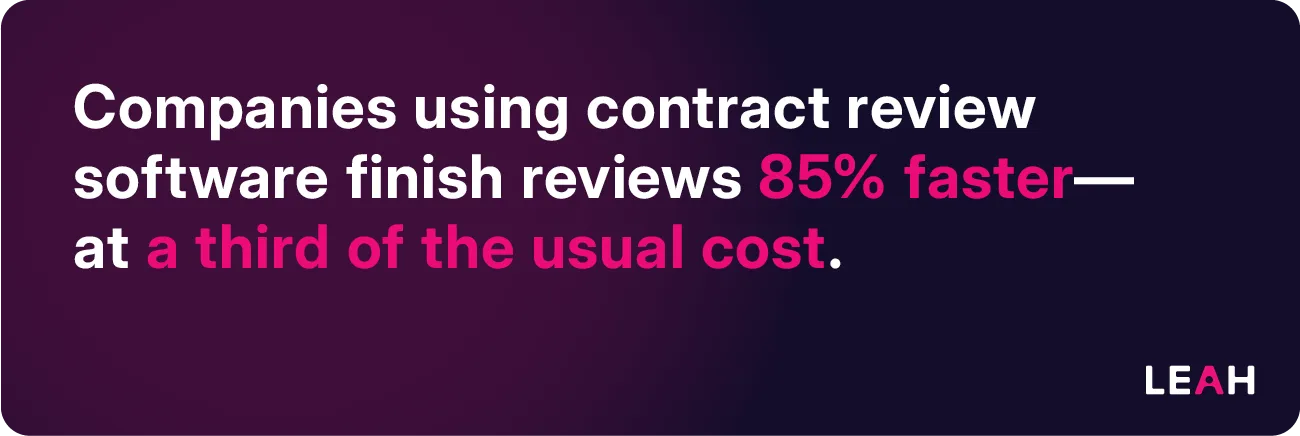
The efficiency improvements are immediate and measurable. Companies using contract review software report completing reviews 85% quicker at a third of the usual cost compared to previous processes.
Faster Review Cycles: Automated document comparison allows legal teams to identify changes in seconds rather than hours, dramatically accelerating the entire negotiation process. Some implementations report reducing contract review time from 92 minutes to 26 seconds.
Reduced Back-and-Forth: By providing a centralized platform for discussions and redlines, the need for endless email threads disappears. All feedback is consolidated in one place.
Task Automation: The software handles tedious aspects like identifying formatting differences or minor textual changes, freeing legal professionals to focus on high-value strategic work.
Improved Accuracy and Risk Reduction
Precision is critical in legal documents, and manual processes are prone to error. Modern software ensures comprehensive change tracking.
Complete Change Detection: Unlike manual review, software identifies every single modification—down to a comma—ensuring nothing goes unnoticed.
Error Reduction: By catching all changes automatically, the software dramatically reduces the risk of costly omissions or mistakes. Studies show that businesses lose $122 for every hour an in-house lawyer spends working on a contract, making efficiency improvements highly valuable.
Compliance Assurance: With greater accuracy in tracking changes, legal teams can better ensure agreements align with internal policies and regulatory requirements.
Superior Version Control and Audit Trails
Managing multiple contract versions becomes straightforward with proper software.
Complete History: The software automatically logs every revision, creating a comprehensive audit trail showing who made what changes and when.
Easy Rollback: If negotiations take an unexpected turn, teams can easily revert to previous versions without losing work.
Centralized Storage: All contract versions and their redlines are stored securely in one location, ensuring data integrity and easy access.
Enhanced Collaboration
Modern legal work requires effective teamwork across departments.
Real-Time Co-editing: Multiple team members can review and comment on documents simultaneously without creating conflicting versions.
Universal Alignment: Centralized comments and redlines ensure everyone—from legal to procurement to finance—sees the latest version and all proposed changes.
Workflow Integration: Many solutions include task assignment, deadline tracking, and progress monitoring, making the entire negotiation process more organized.
Key Features to Evaluate
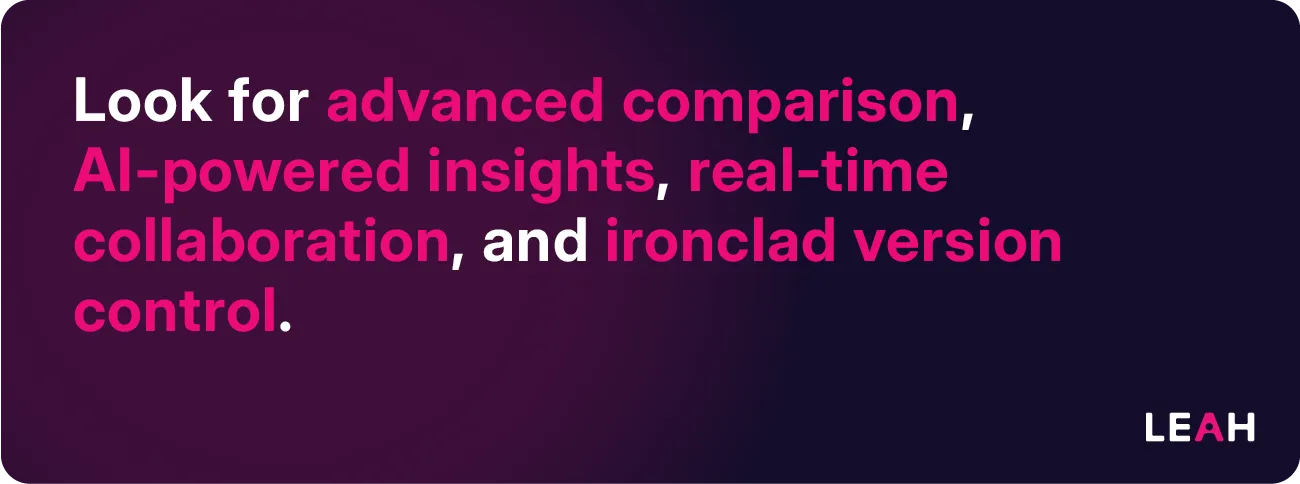
When selecting contract redlining software, focus on capabilities that address your specific workflow needs:
Advanced Document Comparison
The foundation of any good redlining tool is accurate document comparison.
- Side-by-side viewing of different contract versions (or showing the changes in line with comments for visibility)
- Precise identification of all additions, deletions, and modifications
- Multiple format support beyond just Microsoft Word
- Automated cross-referencing for clause numbering and references
User-Friendly Interface and Integration
Powerful software is useless if it's not intuitive.
- Clean, logical design built specifically for legal professionals
- Seamless integration with existing tools like Microsoft Word, Google Docs, and CLM systems
- Cloud-based accessibility for remote work and collaboration
Real-Time Collaboration and Workflow Management
Modern contract negotiations demand sophisticated multi-party coordination.
- Secure Group Collaboration: Internal teams and external parties work in isolated spaces—your private discussions stay private, theirs stay theirs; Everyone sees only what they need to see
- Parallel Drafting: Multiple parties edit simultaneously without conflicts; Smart merging eliminates version chaos
- Intelligent Workflows: Multi-moderator support, automated notifications, real-time tracking, and complete audit trails keep negotiations moving
- Word Integration: Work in familiar Microsoft Word Online while gaining advanced version control and secure collaboration features; Result: 40% faster contract finalization, 70% fewer conflicts
Robust Version Control
Maintaining an audit trail is critical for compliance and accountability.
- Automatic version saving with each change or approval
- Easy version rollback for exploring different negotiation paths
- Comprehensive audit trails showing all changes with timestamps and user attribution
AI-Powered Capabilities
Artificial intelligence is transforming contract review in meaningful ways.
- Enhanced comparison that goes beyond simple text matching to identify conceptually similar clauses
- Standard clause identification based on your organization's preferred language and playbooks
- Alternative language suggestions for frequently redlined clauses
- Risk analysis to flag potential issues or unusual terms
Important Note on AI: While AI offers tremendous potential, it's crucial to distinguish between specialized legal AI solutions and general tools like ChatGPT. General large language models lack the specific legal training and safeguards required for accurate contract analysis. Always use AI tools designed specifically for legal documents and maintain human oversight.
Integration with Broader Legal Operations
Contract redlining software works best when integrated into a comprehensive legal technology strategy. Gartner predicts legal technology spending will increase to approximately 12% of in-house budgets by 2025, a threefold increase from 2020 levels. The contract management software market is projected to reach USD 10,507.9 million by 2035, growing at a CAGR of 12.1% between 2025 and 2035.
When redlining capabilities are part of a broader CLM platform, the benefits multiply:
- End-to-End Workflow: Redlining becomes part of a unified process from contract creation through execution and renewal, eliminating data silos
- Streamlined Processes: Teams can move seamlessly from drafting to redlining to electronic signature and final storage
- Enhanced Visibility: Legal, procurement, and finance leaders gain better visibility into all active negotiations
- Improved Compliance: Integrated systems ensure every contract version and redline is securely stored and easily retrievable
- Data-Driven Insights: Comprehensive platforms capture valuable data on negotiation cycles, frequently redlined clauses, and common sticking points
How Contract Redlining Software Supports Negotiation
Contract redlining software is most valuable when it improves the negotiation itself, not just the document markup. Redlines show where the other party has concerns, where your team needs approval, and where a deal can move faster with clearer context. Treat each redline as a negotiation signal that helps legal, sales, procurement, and finance focus on the terms that materially affect risk, value, and relationship quality.
Pair Redlines with Clear Comments
Comments turn a markup into a conversation. Instead of striking language without explanation, reviewers should explain the business reason for a requested change, cite the relevant playbook position, or offer acceptable fallback wording. That context can resolve smaller issues before a call and reserve live negotiation time for the few points that truly need discussion.
Read Redlines as Negotiation Signals
A heavily redlined contract does not always mean a deal is at risk. It may show that the counterparty is testing positions, escalating concerns internally, or seeking a few visible wins. Contract redlining software helps teams spot which edits are routine, which require legal approval, and which reveal the other party's priorities so negotiators can respond with the right level of flexibility.
Use Redline Patterns to Improve Strategy
Redlines often cluster around repeat topics such as liability, termination, payment timing, dispute resolution, service levels, data rights, or intellectual property. Tracking those patterns across negotiations helps teams improve templates, refine fallback clauses, and identify where standard positions create unnecessary friction. Over time, those insights make each new negotiation faster and more predictable.
Negotiate with Facts, Not Feelings
When a counterparty challenges a clause, contract analytics can support the response with evidence. Strong renewal history, service-level performance, delivery metrics, or accepted precedent can justify a preferred position more effectively than opinion. The best redlining process gives negotiators fast access to those facts while they are reviewing the clause.
Look for Terms Both Sides Can Accept
Redlining should help both parties reach a workable agreement. Start by separating non-negotiable legal, regulatory, and risk requirements from terms where the business can trade flexibility for value. For example, a pricing request may be balanced against a longer term, reference rights, adjusted service commitments, or clearer renewal terms. This keeps the discussion focused on practical outcomes instead of line-by-line friction.
Redline Governance: Version Retention, Comparison, and Metadata
Strong redlining practice depends on disciplined records. Every redlined version should be retained with enough context to show who changed what, when the change was reviewed, and why the final position was accepted or rejected. This audit trail protects the business if a term is later questioned and gives future reviewers a reliable source of precedent.
Retain Marked and Clean Contract Versions
During negotiation, teams should preserve both marked copies and clean copies. Marked versions show proposed additions, deletions, comments, and reviewer decisions. Clean versions show the agreement as it will be signed. Together, they make it easier to understand the negotiation history and avoid confusion when multiple internal and external reviewers are involved.
Use Version Names and Audit Trails Consistently
Clear version names, reviewer identifiers, timestamps, and repository metadata help teams trace changes without relying on email threads. A contract repository or CLM system should maintain version history automatically, but teams should still use consistent naming and approval conventions so the right reviewer can answer questions about a specific change.
Compare Documents Before Final Approval
Redlining and document comparison solve related but different problems. Redlining captures proposed edits and comments during review. Document comparison checks whether language changed between versions, including changes that were not called out clearly. Before final approval, comparison tools add confidence that no hidden or accidental edits slipped into the signing copy.
Strip Unnecessary Metadata from Final Documents
Draft contracts often accumulate comments, reviewer information, hidden metadata, and version history. Before execution, teams should confirm that the final clean copy contains the intended terms and no unnecessary residual metadata. Contract redlining software should make this handoff easier by preserving the audit trail in the system while presenting a clean document for signature.
Contract Redlining Best Practices for Review Teams
The right software only works when the review process is disciplined. Redlining should reduce noise, focus attention on meaningful risk, and help teams move faster without pressuring the counterparty into a poor relationship start.
Use AI Review for High-Volume Contract Work
Legal and commercial teams often review repetitive language at high volume. AI-assisted review can flag unusual clauses, missing provisions, risky deviations, and fallback options before a human reviewer spends time line-editing the agreement. Human judgment still decides the position, but software handles the first pass and keeps reviewers focused on material issues.
Train Playbooks with Real Contract Examples
AI redlining improves when it is guided by realistic templates, approved clauses, fallback language, and examples from past negotiations. Teams should regularly update playbooks based on accepted positions, rejected language, regulatory changes, and commercial outcomes. This keeps recommendations aligned with how the business actually negotiates.
Do Not Rush the Counterparty's Review
Automation can speed internal review, but the other party may not operate at the same pace. The redlining and negotiation process sets the tone for the business relationship. Give counterparties enough time to understand changes, escalate approvals, and respond thoughtfully, especially when a proposed term affects risk, price, performance, or compliance.
Limit Reviewers and Systems
Too many reviewers, review cycles, and disconnected tools can slow a deal and create conflicting instructions. Limit participation to the people needed for the decision, keep private internal comments separate from external comments, and manage the process in one system whenever possible. A focused review group produces clearer redlines and fewer late-stage surprises.
Making the Right Choice for Your Organization
Selecting the ideal contract redlining software requires careful consideration of your specific needs:
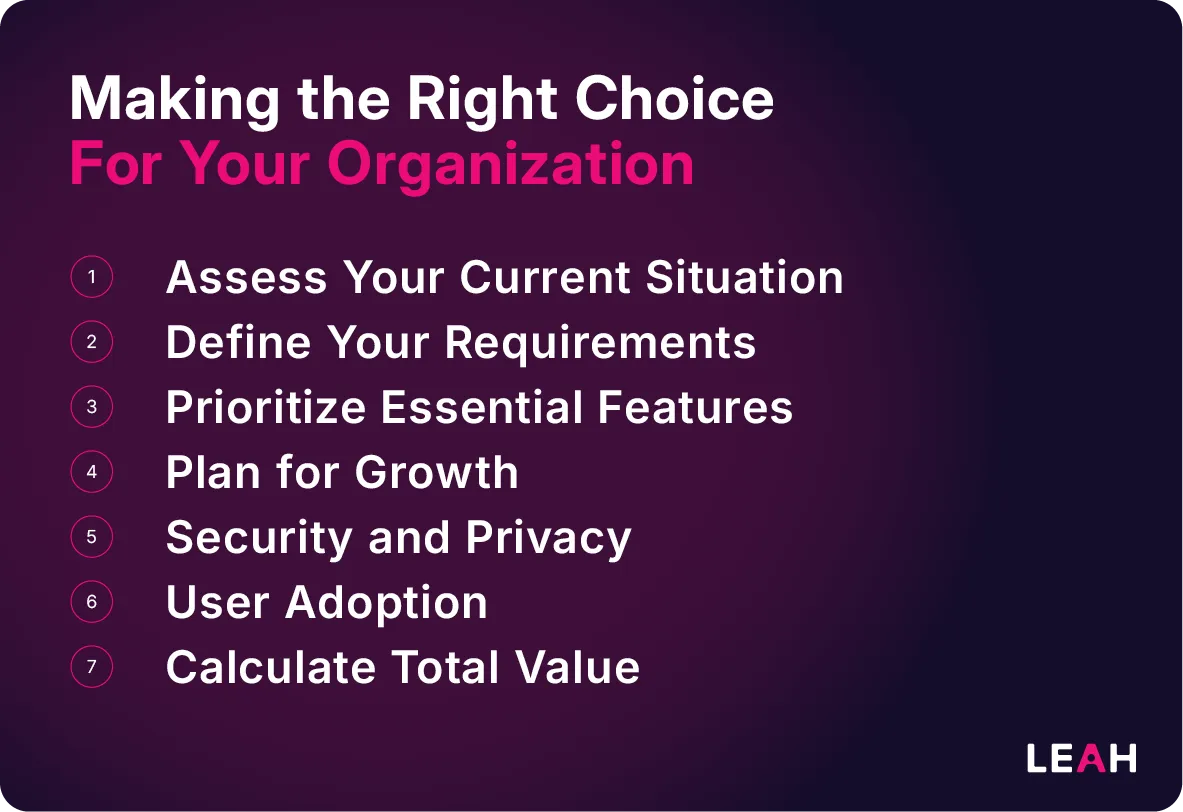
Assess Your Current Situation
Start by mapping your existing contract review process. Identify specific bottlenecks, inefficiencies, and error sources. Is the problem slow document comparison? Version control issues? Difficult collaboration? Understanding these will clarify your must-have features.
Define Your Requirements
Consider your contract volume and complexity, team size, and integration needs. The global contract management software industry is projected to witness CAGR of 12.1% between 2025 and 2035, indicating strong growth and continued innovation in this space.
Prioritize Essential Features
Based on your pain points, prioritize the features discussed earlier. Not all solutions offer the same depth across all capabilities.
Plan for Growth
Ensure the software can handle your organization's future growth in contract volume and complexity. Look for vendors that actively develop their platforms, particularly in emerging areas like AI.
Security and Privacy
Given the sensitive nature of legal documents, scrutinize vendor security protocols, encryption standards, and compliance certifications. Understand their data residency policies and, if AI is involved, how your data is used and protected.
User Adoption
The best software is only valuable if your team actually uses it. Consider requesting demos or trials to experience the interface firsthand. Also evaluate vendor support and training resources.
Calculate Total Value
Look beyond initial pricing to consider total cost of ownership, including implementation, training, and maintenance. More importantly, quantify potential efficiency gains and risk mitigation benefits. Businesses lose $122 for every hour an in-house lawyer spends working on a contract, making efficiency improvements highly valuable.
The Future of Contract Management
The legal industry is experiencing unprecedented technological transformation. By 2026, more than 80% of enterprises will have used generative AI APIs or deployed generative AI-enabled applications, making AI integration standard in business operations.
According to the latest McKinsey Global Survey on AI, 78 percent of respondents say their organizations use AI in at least one business function, up from 72 percent in early 2024. This enthusiasm is backed by real results in contract management specifically.
The market size reflects this momentum. The global legal technology market size was estimated at USD 26,702.0 million in 2024 and is projected to reach USD 46,767.9 million by 2030.
In Summary
Manual contract redlining is quickly becoming obsolete in today's fast-paced business environment. The data is clear: organizations need more efficient, accurate, and collaborative approaches to contract negotiation.
Modern contract redlining software offers a compelling solution, transforming a traditionally tedious process into a streamlined, strategic advantage. Whether implemented as a standalone solution or as part of a comprehensive CLM system, this technology empowers legal teams to work faster, more accurately, and with greater confidence.
The question isn't whether your organization should invest in contract redlining software—it's whether you can afford not to. With the potential for significant efficiency gains, risk reduction, and cost savings, the right software investment pays for itself quickly while positioning your legal operations for future success.
Ready to transform your contract redlining process? The time to act is now, as early adopters are already gaining competitive advantages through improved efficiency and reduced risk.