
Leah Helps Companies
Get to Great
See how enterprises across industries harmonized their systems, accelerated their workflows, and achieved measurable results with Leah.
Great Work Starts With Leah
See how leading enterprises are transforming legal, procurement, and commercial operations.
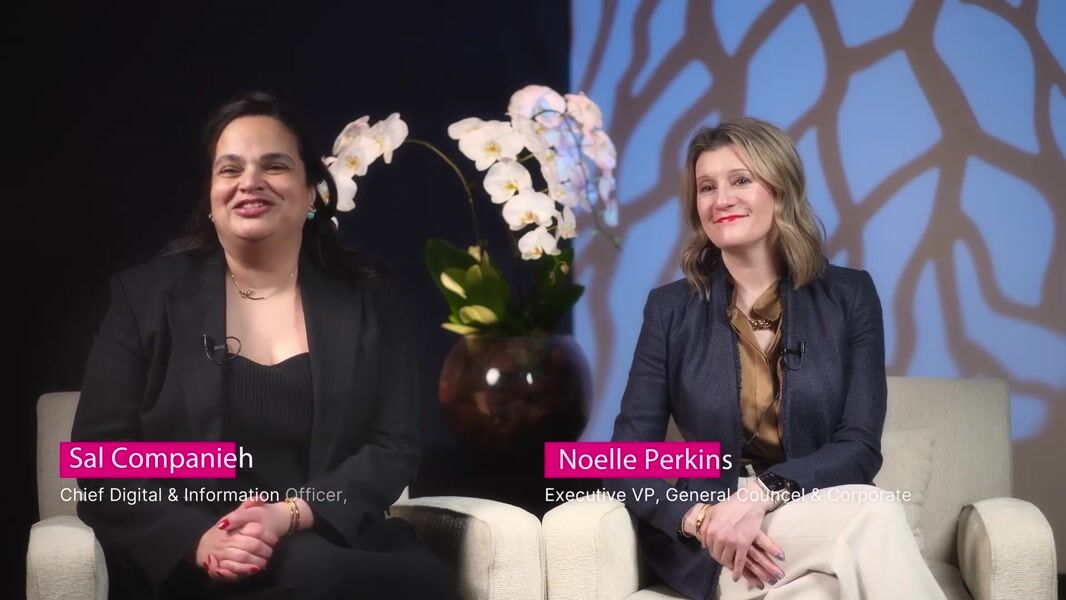

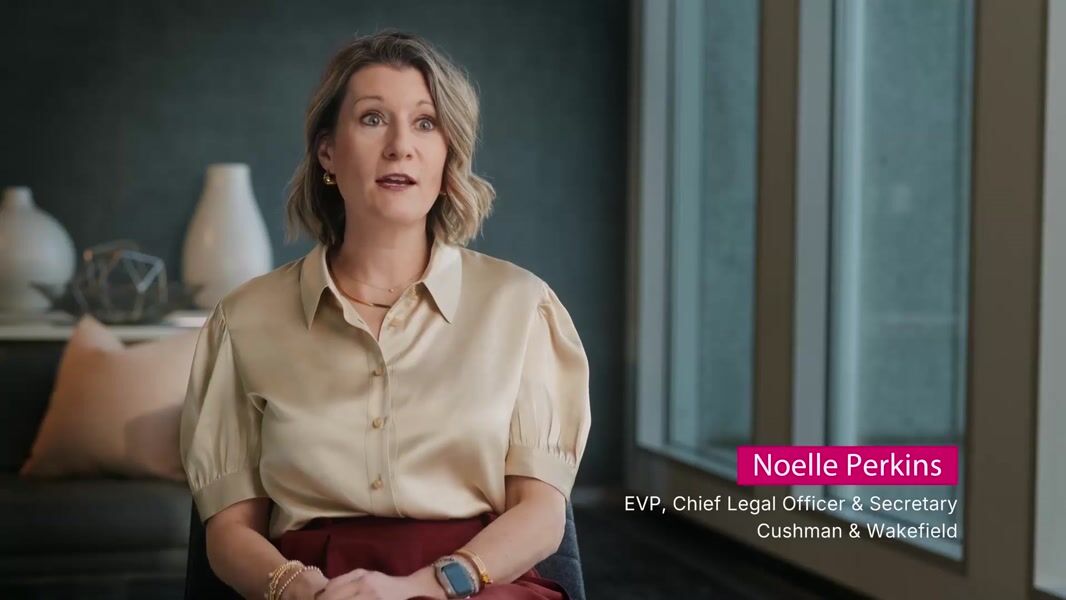
Cushman & Wakefield boosts operational efficiency with Leah, reducing manual tasks and increasing employee engagement across global teams.
Get the Story

Dubai Future Foundation enhances its legal processes with Leah, driving increased efficiency and innovation.
Get the Story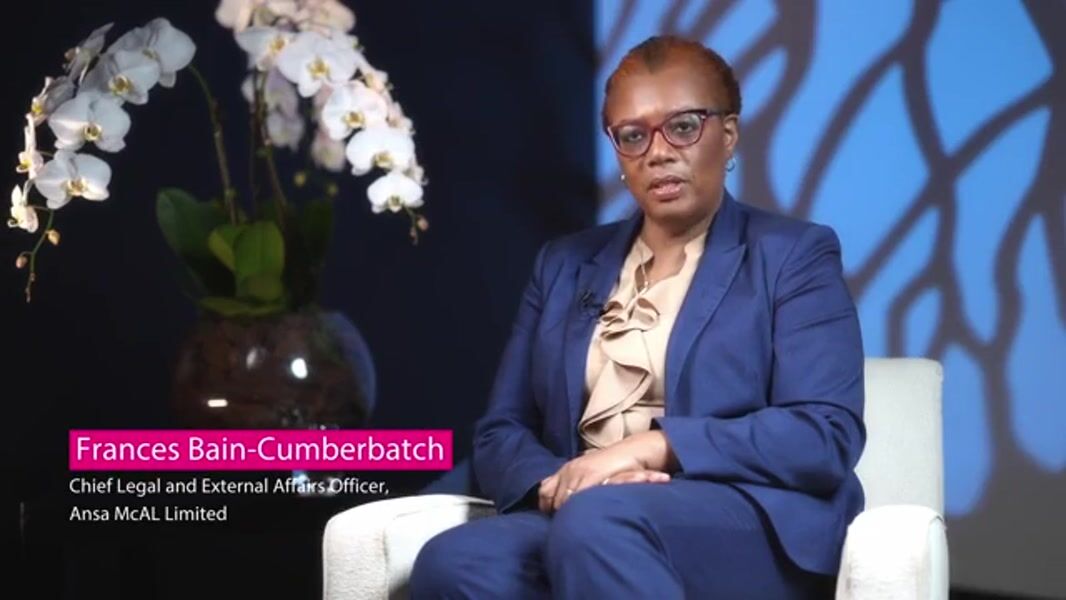

ANSA McAL's legal team transforms their contract management with Leah, achieving centralized processes, enhanced efficiency, and significant time savings.
Get the Story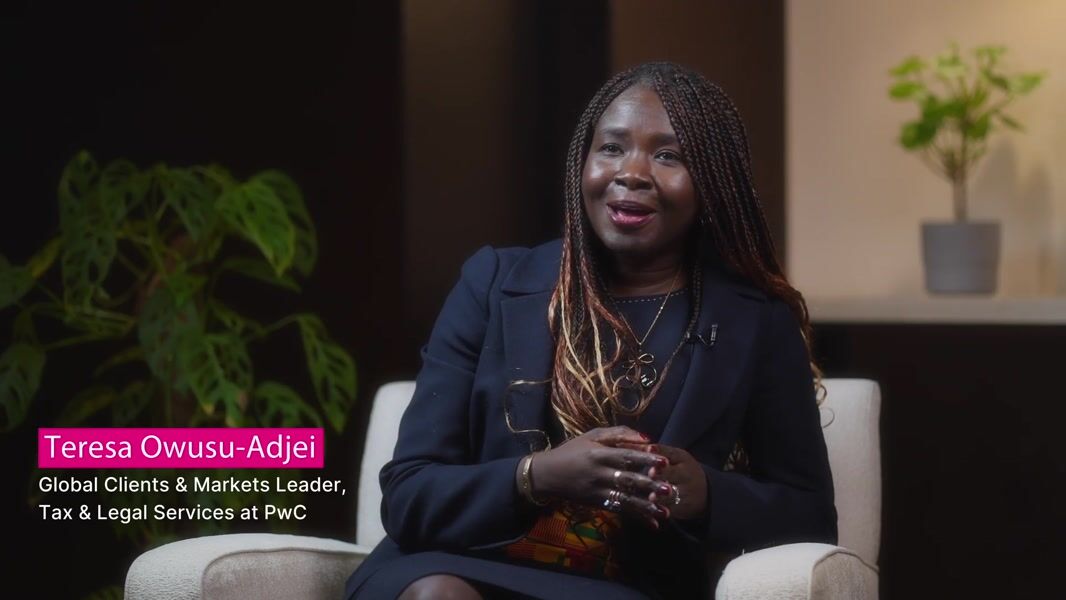
Regulatory pressure, tighter margins, and a race for data-driven insight push leading firms toward legal-grade AI. PwC chose Leah to lead the way.
Get the Story

Hear why Execo chose Leah over generic AI solutions and how her deep understanding of the legal persona turns contract data into business-critical insights.
Get the Story
Gabriel Buigas, EVP of Legal and Compliance Solutions at Integreon, shares why GenAI-enabled CLM is the future and how Leah empowers legal teams to deploy faster and drive immediate impact.
Get the Story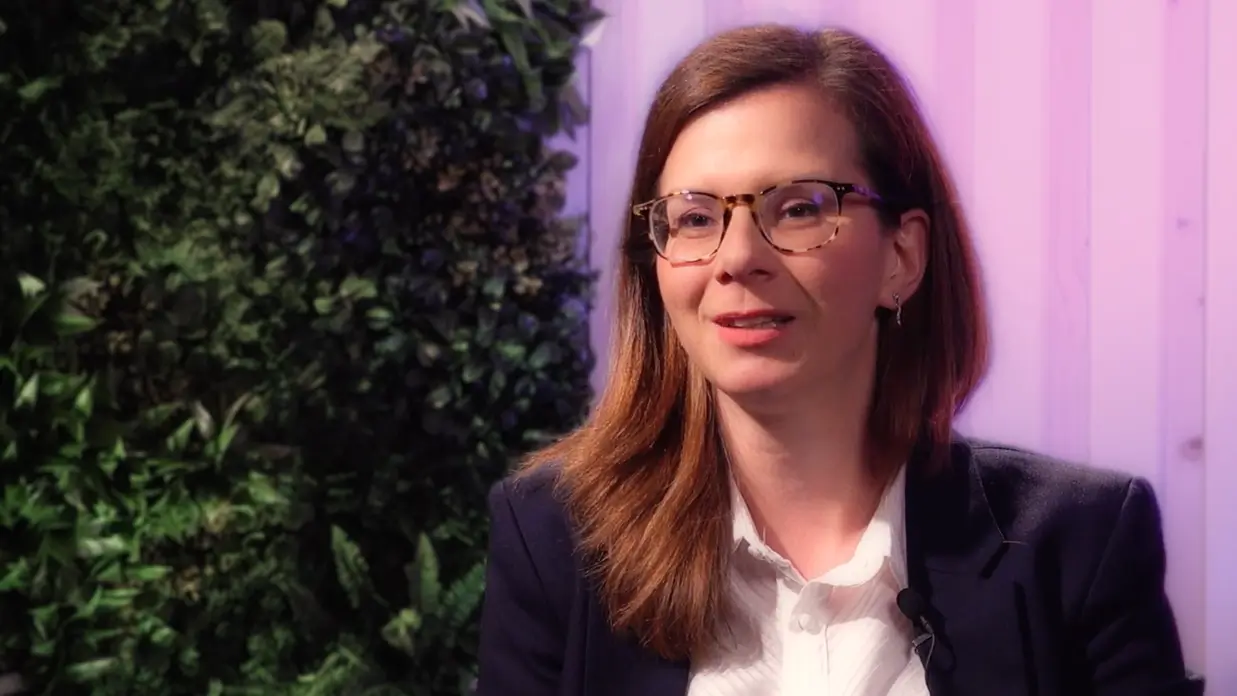

Leah gave Terumo, a global medical device company with 2,000+ contracts, a single source of truth and reduced agreement times from 3 weeks to 3 days.
Get the Story
Execo discusses how Leah saves time, increases work quality, and transforms how Legal demonstrates value across the entire organization.
Get the Story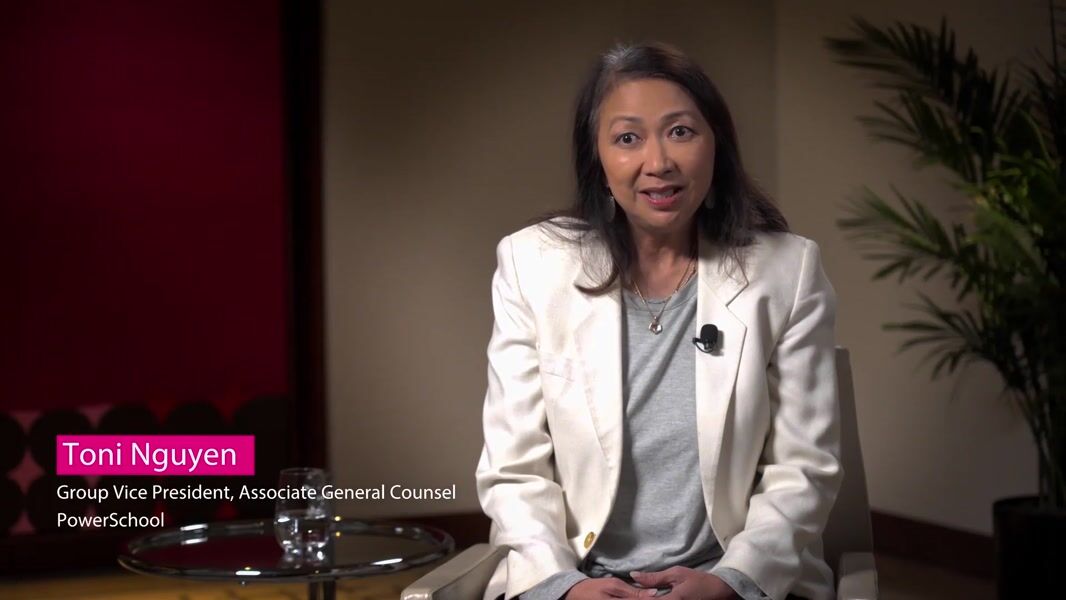

Toni Nguyen, Vice President & Deputy General Counsel at PowerSchool, explains how her legal team improved contract management using Leah.
Get the StoryCustomer Case Studies
Explore how organizations across industries have transformed their contract management with Leah.

A global building materials and piping systems manufacturer, a global manufacturing leader in building materials and piping systems, operated with severely fragmented contract management across their international structure spanning Belgium headquarters, North America, APAC, and India. Each region maintained separate processes using SharePoint folders and Excel spreadsheets, creating operational silos with inconsistent categorization and folder hierarchies. The fragmentation was compounded when North America independently selected and implemented a competing CLM platform that delivered what the strategic implementation lead described as "extremely limited functionality."

A European discount retail group, a major European retail conglomerate operating multiple brands including its flagship discount brand, a UK value retail brand, and a European value retail brand across Poland, UK, Netherlands, Spain, Hungary, Romania, Estonia, and the US, faced critical operational inefficiencies in contract management. Before implementing Leah, contracts were stored haphazardly in SharePoint without proper taxonomies, workflows, or visibility, creating compliance risks and operational blind spots across their complex multi-brand structure.

A global adhesive solutions manufacturer, a German industrial manufacturing company with global operations across Europe, North America, and Asia Pacific, struggled with severely fragmented contract data scattered across multiple systems including SharePoint, legacy tools, and departmental silos. This created significant operational inefficiency and lack of visibility across their complex multi-entity corporate structure. The 25-person global legal department was drowning in administrative work, with legal team management explicitly stating the goal to have solicitors "concentrate on the real cases and not on the admin rubbish."

A financial services gift card and prepaid card network, an established financial services company operating a gift card and prepaid card partner network, faced mounting operational challenges with their legacy SharePoint-based contract management system. The distributed legal team managed a complex portfolio of agreements across Content Provider, Distribution Partners, Incentives, and Wholesale business units—each with sophisticated parent-child contract structures where amendments were critical to business operations.

A government innovation foundation operates at the intersection of policy, regulation, and emerging technology in the UAE. The organization runs government training programmes, annual global innovation convenings, robotics and autonomous vehicles labs, and regulatory sandbox programs across AI, health technologies, climate tech, and longevity solutions. This high-profile positioning created unique operational pressure—as the foundation, the organization needed to demonstrate technology leadership internally to maintain credibility when promoting innovation externally.

The a healthcare research foundation, a congressionally established nonprofit organization bridging the national health research institute and private sector partners in biomedical research, faced mounting operational pressures as the organization grew to over 100 employees managing complex multi-party research agreements.

A global home appliances manufacturer, part of the a leading European conglomerate conglomerate, operates as a global manufacturer across UK, Ireland, Germany, Spain, Australia, and New Zealand with 52 separate legal entities. The organization faced mounting pressure to demonstrate contract management maturity across its multinational operations.

A healthcare staffing company, a healthcare staffing company serving schools and healthcare facilities across multiple states, faced a contract management crisis despite having invested in a CLM platform nearly two years earlier. The organization's 300+ business development staff operated across regional offices in different time zones, creating complex coordination challenges for the centralized five-person contracts team.

A publicly-traded retail net lease REIT managing 2,200+ properties across 49 states faced critical bottlenecks that fundamentally constrained legal capacity and business scalability. With $6.8 billion in acquisitions completed since 2018 and 400-500 lease transactions executed annually, the organization's aggressive growth strategy was creating unsustainable demands on the legal team.

A global claims management firm, a global insurance claims and risk management services firm, operated completely blind when it came to contract management. With no centralized system, the legal team had zero historical data on cycle times, approvals, or contract performance. Business stakeholders viewed legal as a 'black hole' where contracts disappeared without transparency. When a contract took 75 days to complete, nobody could explain why—was legal slow, were business approvers delaying, were counterparties unresponsive, or were signatures languishing in DocuSign?

The COVID-19 pandemic exposed a contract management crisis at a multi-sector financial institution, a diversified financial institution spanning distribution, pharmaceuticals, automotive, and financial services sectors across more than 8 territories. When the pandemic hit, the legal team found themselves overwhelmed trying to review force majeure clauses and critical contractual provisions across their entire portfolio. Without a centralized repository or structured search capabilities, the team described being "deep in our knees" manually hunting for contracts during the crisis—unable to efficiently respond to urgent business needs when they mattered most.

A major US transportation and logistics corporation with 60+ corporate departments faced a contract management crisis that threatened operational efficiency across the organization. The marketing department alone managed over 1,000 legacy contracts using manual processes—spreadsheets, email negotiations, and basic document repositories—creating version control nightmares that the team described as "very dicey" to track.

An enterprise analytics company, a global business intelligence and analytics software company, faced a critical technical limitation blocking their highest-value enterprise deals. Their sales order form template architecture contained 28 separate tables, each requiring individual API calls to populate contract data. This created severe performance bottlenecks—contracts took 30+ seconds to load when instant generation was expected.

A Singapore-based fund management firm, a Singapore-based financial services subsidiary of a major regional holding company, faced contract management challenges typical of organizations managing complex multi-currency, multi-fund operations across regional entities. Their small legal team handled an extensive portfolio of agreement types—from distribution agreements and fee rebate letters to NDAs and vendor contracts—but lacked purpose-built contract lifecycle management capabilities.

An enterprise IT monitoring company, a SaaS company providing IT infrastructure monitoring solutions, faced mounting pressure on its legal team as sales velocity accelerated. During critical Q4 year-end periods, contract volume surged to overwhelming levels, with legal counsel describing being "buried in sales agreements" during the fourth quarter rush. The legal department had become an organizational bottleneck, involved in too many routine deals that didn't require specialized legal expertise.

A global professional services firm's Singapore office's legal and contract management operations faced mounting complexity as the firm's contract portfolio expanded. Managing 30,000 active contracts across the organization without integrated CLM functionality created operational friction that impacted efficiency across legal, procurement, and business teams.

A Jordanian bank, one of Jordan's leading financial institutions, faced mounting operational pressures across its legal affairs department. The bank processed thousands of contracts spanning treasury operations, procurement agreements, syndicate lending arrangements, and regulatory compliance documents—all while navigating complex multi-jurisdictional requirements across common law, civil law, and hybrid legal systems.

A global consumer goods leader, the global consumer goods company, faced a contract management crisis that threatened operational efficiency across its 16,000-employee organization. With operations spanning Germany, the United States, Canada, Mexico, and China, the company struggled with contracts scattered across multiple SharePoint repositories and manual filing systems. The fragmented storage created visibility gaps that left teams searching manually for critical documents, while duplicate supplier records proliferated without detection.

An outdoor products brand, a premium outdoor consumer products company, faced mounting operational pressures as aggressive international expansion and recent acquisitions dramatically increased contract volume and complexity. The legal team managed diverse agreement types spanning NDAs, licensing, production, transportation, services, and sponsorships across departments including procurement, finance, sales, IT, and supply chain.

A major global pharmaceutical company with operations spanning more than 60 countries and approximately 22,000 employees, faced a critical contract management crisis following its separation from its parent conglomerate. The organization's 120,000+ contracts were fragmented across multiple legacy platforms including SAP CLM, SharePoint repositories, G-drives, and country-specific systems like the Tomorrow platform in France. This fragmentation created significant operational challenges across the pharmaceutical giant's complex global structure.

A major US commercial bank, a major regional commercial bank operating 600+ banking centers across the US, Canada, and UK, faced critical contract management inefficiencies that threatened both operational performance and regulatory compliance.

A heavy equipment distributor, a heavy equipment distributor operating across Australia and Papua New Guinea, faced severe contract management challenges that threatened operational efficiency and revenue protection. Managing diverse contracts across equipment sales, rentals, parts, services, and supplier agreements for their multi-entity operations, the procurement and contracts teams struggled with entirely manual processes that consumed hours daily.

A major US airline faced a contract management crisis that threatened operational efficiency across its expanding supply chain operations. Their legacy CLM system, implemented between 2015 and 2018, had become a rigid bottleneck that actively worked against the organization. Development costs for even simple changes reached thousands of dollars, forcing the company to leave the system unchanged for years. Users found the platform so difficult to navigate that they abandoned it entirely, storing contracts on desktops, in Teams channels, and across various repositories—anywhere but the official system.

The oncology division of a global pharmaceutical company faced the complex challenge of managing contracts within a highly regulated pharmaceutical environment while maintaining independence from the broader corporate instance. The organization required extensive validation documentation, multi-departmental security approvals, and comprehensive change management planning to ensure compliance and successful adoption.

A global engineering consultancy, a major global engineering and consulting firm, faced significant operational challenges stemming from fragmented contract management processes across their complex organizational structure. The company operates through multiple business divisions including operations, projects, consulting, and digital services, spanning different geographic regions with sophisticated client relationships including BP Limited and ExxonMobil.

NopalCyber used Leah Procurement to standardize third-party risk management across client portfolios, cut vendor onboarding cycles by 55%, and bring 1,200+ vendors under continuous monitoring.

A lean legal team needed to manage fragmented contracts, rising compliance costs, and growing workload without adding more lawyers.

A European digital banking platform, a banking institution operating under strict Greek and European regulatory oversight, faced mounting operational inefficiencies in their contract management processes. The organization's legacy CLM system functioned solely as a basic registry, leaving teams drowning in manual administrative tasks.

As a leading telecommunications provider in Singapore's highly regulated market, the company's Enterprise Business Group faced mounting challenges managing their extensive contract portfolio. The organization operated in a complex regulatory environment requiring strict PDPA and GDPR compliance, with senior leadership expressing particular concerns about data security and external exposure.

As a global customer experience and workforce engagement company with operations across multiple continents, a customer engagement solutions company needed a contract lifecycle management platform that could handle enterprise complexity at scale. The company processes hundreds of contract requests monthly across diverse agreement types, from high-volume sales orders to complex master service agreements requiring sophisticated negotiation workflows.

An emerging markets business conglomerate, a mid-market engineering and construction services firm operating across oil & gas, chemicals, and energy transition sectors, faced a critical inflection point in 2024. After decades of family ownership, a new CEO was driving organizational modernization and governance maturity. Simultaneously, the company was pursuing aggressive expansion into a new alliance business segment—a fundamental shift requiring higher contract volumes and dramatically faster turnaround times.

A national roofing services company, the fourth-largest commercial roofing contractor in the United States, faced a contract management crisis that was costing the company hundreds of thousands of dollars in lost revenue. With approximately 1,200 employees operating across 20+ locations nationwide and managing roughly 2,000 contracts annually, the organization had outgrown its manual, email-based contract processes.

A business spend management platform, a fast-growing European fintech company in the expense management space, faced a critical operational bottleneck in contract management. As a regulated financial services entity operating under the European DORA (Digital Operational Resilience Act), the organization needed robust contract management not just for efficiency, but as essential compliance infrastructure requiring annual regulatory submissions.

A clean energy finance company, a 70-person clean energy and solar company, operates in a highly contract-intensive environment. Operating across energy efficiency, decarbonization, and renewable energy project financing, the company partners with large utilities like Constellation to deliver commercial solar deals and sustainability solutions.

A leading window and door manufacturer, a major windows and doors manufacturer operating 19 production facilities and approximately 100 sales locations across the United States, faced a contract management crisis that threatened operational efficiency and financial control. With roughly 2,000 employees and an active acquisition strategy, the organization's contract processes had become fundamentally broken.

A software portfolio holding company operates as a subsidiary of a sophisticated software portfolio operator, a sophisticated software company consolidator with approximately 15 business units spread across North America, Europe, and Central America. With an estimated 1,500 contracts across the enterprise, the organization faced a critical visibility problem.

A financial services technology firm, a Philippines-based technology services and consulting company serving Banking, Financial Services, Insurance (BFSI) and Commercial Sales sectors, faced significant operational inefficiencies in their contract management processes. Operating across multiple time zones with teams in the Philippines and Singapore, the organization relied heavily on Google Docs and Google Drive for managing contracts across their 100-user organization spanning legal, sales, product management, solution consultants, and service delivery teams.

A pharmaceutical company's oncology division faced mounting pressure to transform its contract operations. The Business Operations team of eight contract associates—notably, not attorneys—processed thousands of contracts annually across diverse types: procurement agreements, service contracts, NDAs, consulting agreements, and healthcare practitioner relationships. Yet their contract management system functioned solely as a traditional repository where finalized documents were stored with metadata and automated approval chains.

A specialist healthcare services provider, a UK-based healthcare services provider supplying pharmaceutical products to approximately 170 NHS trusts nationwide, faced contract management chaos across a highly regulated, complex portfolio. Beyond their 5,000+ NHS trust product agreements, the organization managed master service agreements with regional variations across multiple countries (UK, US, EU, Italy, Switzerland, Germany), pharma partnerships with lengthy negotiation cycles averaging 74 days, rare disease program contracts with specialized requirements, and procurement agreements spanning clinical, consulting, and IT services.

A commercial property group operates retail (a retail subsidiary) and veterinary businesses across Australia and New Zealand, managing approximately 500 lease properties that generate over 1,200 lease documents. The complexity stems from extensive document histories—each property accumulates multiple layers of original leases, variations, memorandums, and amendments spanning 10-15 years, with each potentially changing critical clauses like repair obligations, maintenance responsibilities, make good provisions, change of control terms, and rent review mechanisms.

An infrastructure and energy services provider, a major infrastructure and energy services provider with multiple operating subsidiaries including a renewable energy subsidiary, an electrical infrastructure subsidiary, a power delivery subsidiary, and an infrastructure services subsidiary, faced mounting challenges in contract review operations. Legal and contract management teams were overwhelmed with manual redlining work, spending hours performing clause-by-clause markup on hundreds of subcontracts, amendments, and EPC agreements.

A business solutions provider, a large enterprise with global supply chain operations, managed all legal work internally without relying on outside counsel. This meant every efficiency gain directly impacted the legal team's capacity to serve the business. With a dispersed contracts team handling thousands of agreements across multiple locations, the organization faced mounting pressure from manual contract processes that consumed weeks of valuable legal resources.

An outdoor advertising company, an established Australian out-of-home advertising company operating across Australia and New Zealand, faced mounting pressure from manual contract management processes that were pulling legal and commercial teams away from strategic work. With multiple business units including commercial sales, legal, assets management, and retail marketing divisions, the organization managed complex contract portfolios spanning media sales agreements, concession agreements with revenue sharing models, property and infrastructure contracts, and employment documents.

A national propane distribution company, a national energy distribution company operating in the propane industry, faced significant operational inefficiency from fragmented contract management systems. Users across the organization were forced to work across two to three different platforms with zero integration between them, creating substantial workflow friction and manual burden.

A global bakery ingredients supplier, a privately-held food manufacturer supplying grocery chains and retail bakeries across North America, Europe, and Mexico, faced a resource constraint paradox. Their legal team had invested in Leah Contract Risk & Compliance (CRNC) module to accelerate contract review, but the tool sat largely unused. The primary contracts attorney handling daily redlining across the entire organization simply didn't have bandwidth to configure the extensive playbooks CRNC required—each contract type demanded detailed rules-based programming for every clause variation.

Managing global contracting responsibilities across multiple acquired entities

A global supply chain orchestrator, a multinational buying agency managing complex supply chain relationships across Singapore, Hong Kong, and the United States, faced significant inefficiencies in their contract management processes. Operating through multiple legal entities, the legal team processed high volumes of customer-originated buying agency agreements with substantial variation in contract terms.

A specialty label manufacturer, a label manufacturing and distribution company, faced mounting operational friction across their contract management operations. The legal team struggled with approval workflows that created persistent bottlenecks, delaying contract execution and frustrating stakeholders across the business.

An aesthetics and neuroscience pharmaceutical company, a diversified German pharmaceuticals and aesthetics company with approximately 5,000 employees operating globally across 28-29 countries, faced an unexpected operational crisis born from extraordinary success. The aesthetics business experienced exceptional pandemic growth—achieving a 30% growth rate in the first year due to the 'Zoom effect' as people seeing themselves on video calls sought aesthetic treatments. The company grew so rapidly they couldn't supply enough product to meet demand.

An offshore energy services company, a Malaysian energy and maritime services company operating FPSO (Floating Production Storage and Offloading) vessels and offshore energy projects, faced a critical juncture in their contract management evolution. After three years on Leah’s Cognitive platform, the legal and supply chain management teams conducted an internal user survey that revealed significant workflow limitations preventing them from achieving operational efficiency.

A film and television production company, a major entertainment production company managing high volumes of film and television contracts, operated for years without foundational contract management infrastructure. As Head of Business and Legal Affairs, one executive championed CLM implementation from his first day—a strategic priority that persisted through seven years of budget cycles and competing organizational demands.

A leading HVAC manufacturer, a major HVAC and comfort solutions manufacturer operating across the United States and Mexico, faced a contract management crisis. After attempting to migrate 35,000 contract records from their 30-year-old IBM mainframe system, the organization was forced to abandon the effort entirely. Despite months of remediation work, the data quality issues proved irredeemable—corrupted records, incomplete information, and unclean data made continued cleanup futile.

A Swiss pharmaceutical/biotechnology company conducting clinical research studies across the United States, Switzerland, Germany, France, and the United Kingdom faced a contract management challenge common to emerging biotech organizations. With approximately 1,000 active contracts spanning research collaborations, clinical trial agreements, consulting relationships, and vendor partnerships, their small legal team needed a centralized solution that could meet stringent pharmaceutical regulatory requirements without overwhelming their limited resources.

A contract biologics manufacturer, a global biopharmaceutical contract development and manufacturing organization (CDMO), faced a contract governance crisis that threatened financial stability and compliance across their international operations. Spanning the United States, Denmark, United Kingdom, Italy, Germany, and Japan, the company's highly regulated operations demanded rigorous contract management—but the reality was far different.

A global electrical distribution leader operates as the world leader in electrical equipment distribution, with operations spanning multiple countries and jurisdictions. Despite their massive global scale, the organization maintains a remarkably lean central legal department of approximately 14 people. This severe resource constraint created urgent efficiency imperatives that would drive their technology strategy.

As a global beverage company operating across multiple jurisdictions, a global spirits and wine conglomerate's legal department faced mounting operational challenges that threatened efficiency across their distributed legal organization. With lawyers spread across numerous affiliates and regions worldwide, the team struggled to maintain visibility into workload distribution and performance metrics. Managers had no way to understand team capacity, allocate work effectively, or track matter types and volumes by jurisdiction.

A global cleaning equipment manufacturer, a global manufacturing company in the cleaning equipment and industrial equipment sector, faced a contract management crisis that was draining productivity across the organization. Contracts were scattered across multiple repositories, stored on paper files, and completely disjointed throughout the company. The fragmentation created a recurring operational problem: employees couldn't find critical agreements when they needed them.
Great Work Starts With Leah
Real results from real legal, procurement, and commercial teams.
“It’s an advantage to have a system that not only bridges gaps, but also has a user-friendly interface.”
“Our implementation contact was a pleasure to work with. She happily walked my team through the implementation process and thoroughly explained each step. Overall, Leah was a great help.”
“Leah is easy to use and very intuitive, even for those who don’t like/use tech often. The customer service is top-notch! We get answers to our questions almost instantaneously.”
“The ability to search and find contracts, and the ease of managing lifecycle independently has made it infinitely easier to come up to speed in my new role in a new organization.”
“It is easy to remember how to get around in the system, which is helpful for general adoption by the rest of the team and some of the business users. The migration and implementation support were also exceptional.”
“Traceability of the contracts - solved. Approval and signing process in one place - solved. Various reports that would otherwise take days released in a couple of minutes - solved.”
“Leah reduces the time and effort required to search for contracts and search for text within contracts.”
“Leah CLM helped us implement contract management system to digitalize and streamline collaboration with external and internal customers, corporate governance.”
“Leah is enhancing business transparency and record management whilst delivering efficiency gains in contract review and approval through its AI and workflow management.”
“I know what contracts are in development, along with the content and risks associated with those agreements, and where the contracts are in the lifecycle. The system gives me more authority and the ability to have a bigger impact on the business overall.”
“Leah isn’t just sitting in Legal. She orchestrates work across our entire organization. Our CFO uses her for cash flow forecasting. Our CPO relies on her for vendor risk intelligence.”
“We’re not managing contracts anymore. We’re conducting business intelligence. My team now spends a lot more time on strategic advisory.”
“Contract cycle times dropped 70%. Her agents caught regulatory compliance gaps across 3,000 supplier agreements that would have taken us months to find.”
“First quarter with Leah, we identified $4.2 million in liability exposure. Finance cut audit prep time by 40%. What took weeks now happens in days.”
“We supported a $2 billion acquisition and accelerated integration by four months. That’s $15 million in value. That’s what happens when procurement, legal, and finance are actually orchestrated.”
“My experience with Leah has been nothing less than spectacular. We have developed KPIs for our CLM process and made significant improvements using Leah reports.”
“Our overall experience with Leah has been excellent. Leah has allowed us to have a single repository of our contracts, keep track of versions and tasks, automate approvals, and track our obligations. Additionally, our experience with the Leah support, customer success, and implementation teams have consistently been excellent.”
“Leah customer support is exceptional. They go above and beyond to help us create value for our company, using their product.”
“It’s an advantage to have a system that not only bridges gaps, but also has a user-friendly interface.”
“Our implementation contact was a pleasure to work with. She happily walked my team through the implementation process and thoroughly explained each step. Overall, Leah was a great help.”
“Leah is easy to use and very intuitive, even for those who don’t like/use tech often. The customer service is top-notch! We get answers to our questions almost instantaneously.”
“The ability to search and find contracts, and the ease of managing lifecycle independently has made it infinitely easier to come up to speed in my new role in a new organization.”
“It is easy to remember how to get around in the system, which is helpful for general adoption by the rest of the team and some of the business users. The migration and implementation support were also exceptional.”
“Traceability of the contracts - solved. Approval and signing process in one place - solved. Various reports that would otherwise take days released in a couple of minutes - solved.”
“Leah reduces the time and effort required to search for contracts and search for text within contracts.”
“Leah CLM helped us implement contract management system to digitalize and streamline collaboration with external and internal customers, corporate governance.”
“Leah is enhancing business transparency and record management whilst delivering efficiency gains in contract review and approval through its AI and workflow management.”
“I know what contracts are in development, along with the content and risks associated with those agreements, and where the contracts are in the lifecycle. The system gives me more authority and the ability to have a bigger impact on the business overall.”
“Leah isn’t just sitting in Legal. She orchestrates work across our entire organization. Our CFO uses her for cash flow forecasting. Our CPO relies on her for vendor risk intelligence.”
“We’re not managing contracts anymore. We’re conducting business intelligence. My team now spends a lot more time on strategic advisory.”
“Contract cycle times dropped 70%. Her agents caught regulatory compliance gaps across 3,000 supplier agreements that would have taken us months to find.”
“First quarter with Leah, we identified $4.2 million in liability exposure. Finance cut audit prep time by 40%. What took weeks now happens in days.”
“We supported a $2 billion acquisition and accelerated integration by four months. That’s $15 million in value. That’s what happens when procurement, legal, and finance are actually orchestrated.”
“My experience with Leah has been nothing less than spectacular. We have developed KPIs for our CLM process and made significant improvements using Leah reports.”
“Our overall experience with Leah has been excellent. Leah has allowed us to have a single repository of our contracts, keep track of versions and tasks, automate approvals, and track our obligations. Additionally, our experience with the Leah support, customer success, and implementation teams have consistently been excellent.”
“Leah customer support is exceptional. They go above and beyond to help us create value for our company, using their product.”